






What is UPS Load Bank Testing?
A load bank test assesses the UPS battery system’s performance under real operating conditions.
Rather than relying on theoretical calculations or battery monitoring data alone, the test places a controlled load onto the UPS and measures how the batteries perform against their original specification.
This will then help to determine whether the system can deliver the expected autonomy period during a mains power failure.
Put simply, UPS load bank testing answers a critical question: Could your UPS still support your business’s load for as long as you need it to if the power goes out today?
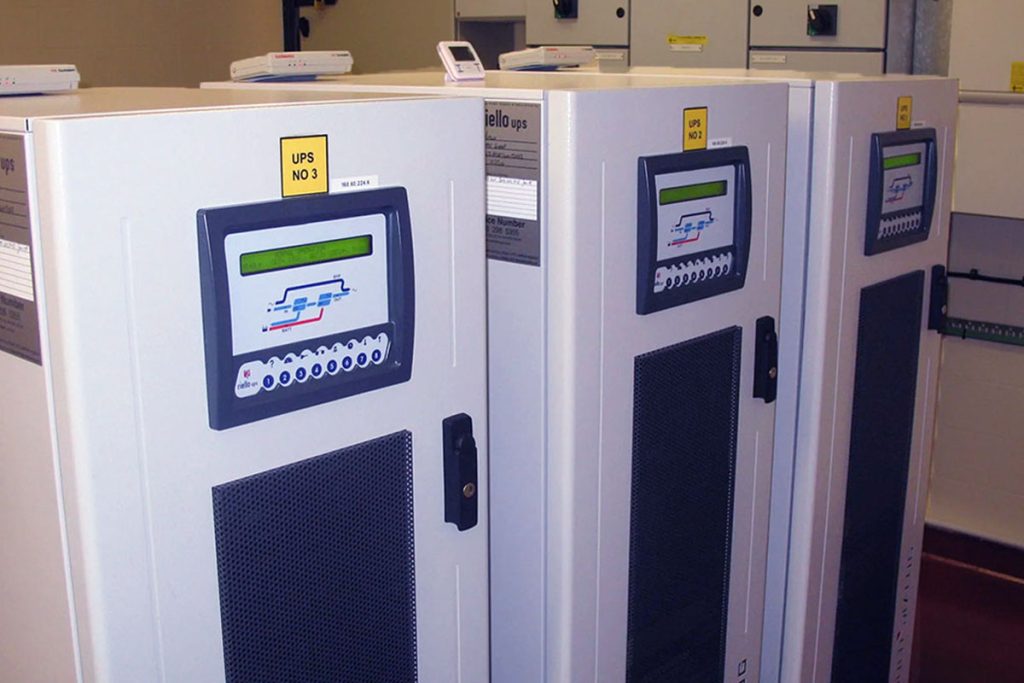
UPS Load Bank Testing: Are Your Batteries Ready When It Matters Most?
Most organisations will have a UPS in place to protect their critical systems from power interruptions and outages. While many assume their UPS batteries will perform when needed, the reality can be very different.
Battery condition can deteriorate over time without obvious warning signs. That’s why UPS load bank testing plays such an important part in a proactive maintenance strategy.
Why is Load Bank Testing Important?
Age, operating conditions, and environmental factors gradually degrade UPS batteries. Regular inspections and maintenance can identify many issues; however, some battery weaknesses only become apparent when the system is placed under a genuine load.
A lack of testing could mean your business only discovers an issue during an actual power cut. By then, it’s too late to prevent disruption.
Businesses want to be confident that their UPS will perform, while feeling safe in the knowledge that battery issues are identified and addressed before they pose a risk to operations. A load bank test can provide that assurance.
How is a UPS Load Bank Test Carried Out?
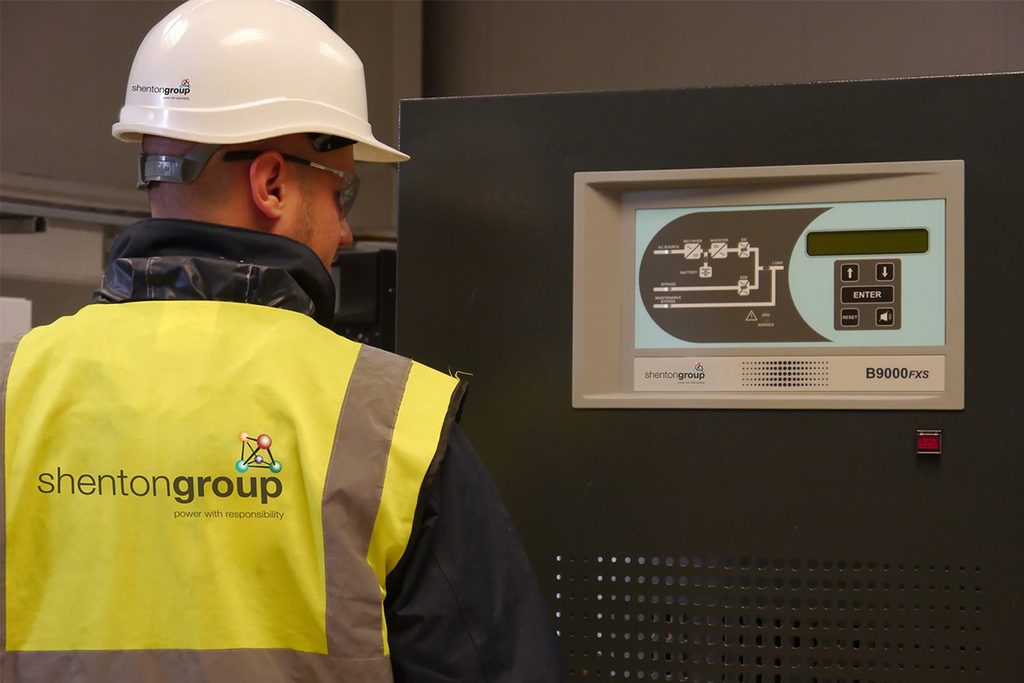
The exact process depends on the installation.
Where an External Maintenance Bypass Switch (EMBS) is available, the critical load can typically remain powered by raw mains during the test. The UPS is isolated from the connected load, a load bank is connected, and the UPS is then operated on battery power under controlled conditions. The load bank is gradually increased to the required level, and the system is monitored throughout the test to confirm it can achieve the designed run time.
If a maintenance bypass isn’t available, there isn’t a safe way to divert the protected load while the UPS is being tested. As such, a planned shutdown will be required. In these situations, testing is scheduled well in advance to minimise disruption to operations.
What Happens if the UPS Fails the Test?
In short, if your system fails the UPS load bank test, our engineers will identify the cause and discuss the next steps with you to restore the required level of performance.
The most common outcome is that the batteries no longer provide the autonomy originally specified. In some cases, battery replacement may be required to restore the expected runtime.
The important thing to remember is that a failed test doesn’t mean the test caused a problem. It means you’ve discovered one before a power outage does.
Finding an issue during the load bank test is far preferable to discovering it during a power outage when critical systems depend on the UPS to perform.
Don’t Wait for a Power Cut to Find Out
A UPS is only as reliable as the batteries supporting it. Load bank testing provides a realistic assessment of system performance, helping businesses understand the true condition of their backup power infrastructure and take corrective action before issues affect operations.
If you’re unsure when your UPS was last tested, now is a good time to review your maintenance strategy and ensure your system is ready when it’s needed most.
If you’d like to discuss UPS load bank testing, battery performance, or your wider maintenance strategy, speak to our team today or email [email protected].