Power interruptions don’t just come in the form of a major outage. Voltage fluctuations, power disturbances, battery degradation, and unnoticed component failures can all put critical sites, systems, and equipment at risk.
Across the UK, organisations in every industry rely on uninterrupted power to keep their business running. Whether they’re in healthcare, manufacturing, telecoms, data centres, or critical government services, a UPS (Uninterruptible Power Supply) is often the first line of defence. It provides instant backup power, ensuring essential systems remain operational while protecting equipment from potentially damaging electrical events.
However, getting a UPS installed is only part of the solution. Just as you’d organise an MOT and service for your vehicles, UPS maintenance helps ensure long-term reliability and performance.
What Happens When a UPS Isn’t Maintained?
All too often, businesses assume their UPS system will simply work when a power failure occurs. In reality, a UPS contains batteries and electronic components that naturally degrade over time.
Think about your car again. If your battery has degraded to the point where it can no longer deliver the power needed to start the engine, the vehicle won’t start, regardless of the condition of the other components. A UPS is no different. Without regular inspections and testing, issues can go unnoticed until a critical event exposes them. This can lead to:
Unexpected equipment failure
Reduced battery performance
Shortened lifespan
Increased risk of downtime
Costly emergency repairs
A UPS is designed to protect your business during an outage, but if maintenance is neglected, it may fail to deliver the support your operation depends on.
The Business Cost of Downtime
Even a brief loss of power can have serious consequences.
For businesses, downtime means more than inconvenience. It means lost productivity, interrupted services, damaged equipment, data loss, and a potential reputational impact.
Modern businesses are increasingly dependent on connected systems and critical infrastructure. Whether you’re operating a production line, maintaining IT services, or supporting healthcare environments, power continuity isn’t a nice-to-have; it’s essential. A properly maintained UPS helps to minimise these risks by ensuring backup power is available the moment it’s needed.
Why UPS Maintenance Matters?
Regular servicing of any major equipment helps to identify developing issues before they become costly failures. UPS maintenance works in the same way, allowing potential faults to be detected and addressed before they result in downtime or equipment failure.
Professional UPS maintenance typically includes:
Inspection of key electrical components
Battery impedance testing
Thermal imaging and performance checks
Identification of wear and degradations
Firmware and operational assessments
Recommendations for preventative maintenance
With regular scheduled servicing, businesses can be confident that their backup power infrastructure remains reliable and ready to respond in an emergency.
What’s Involved in Professional UPS Maintenance?
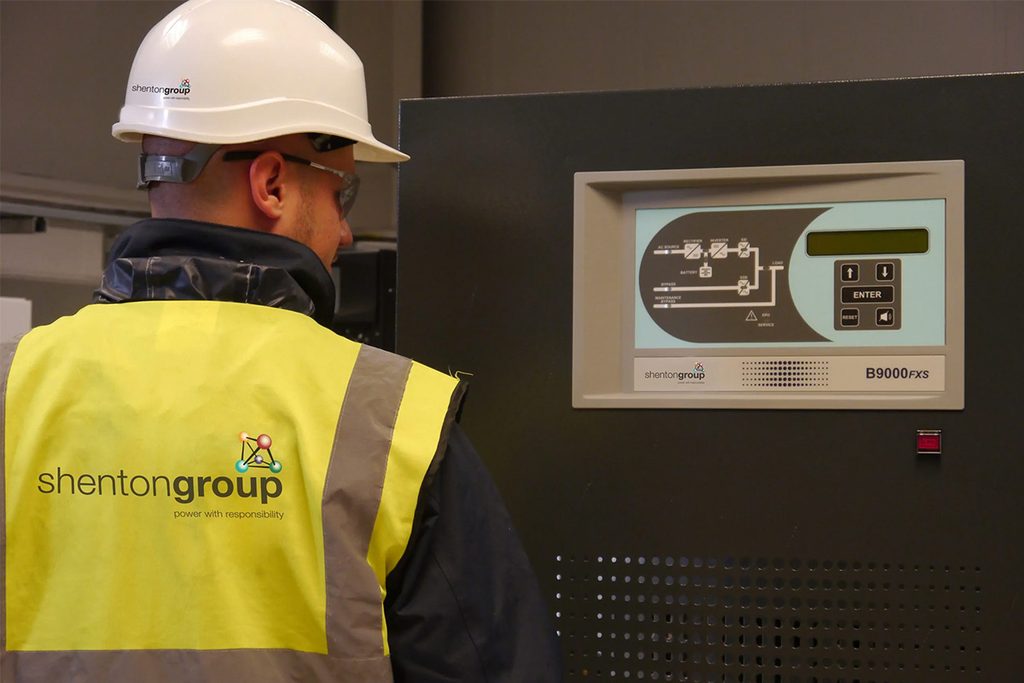
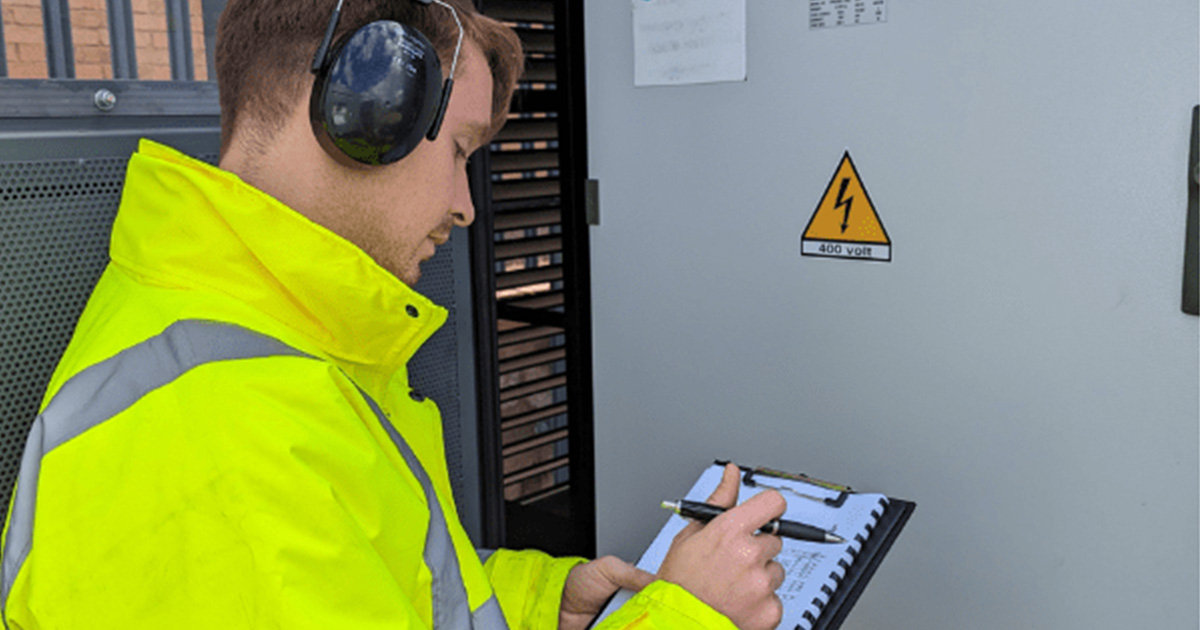
Professional UPS maintenance is more than a simple visual inspection. Shenton Group engineers look beyond the basics; they do what is needed to keep your systems aligned with industry standards and regulations and reduce the risk of unexpected failures that result in downtime. For example:
Battery Impedance Testing
Sometimes, a simple voltage check alone isn’t enough to accurately assess battery health. Battery impedance testing takes a deeper dive to give a more detailed picture of battery conditions, helping engineers identify faulty blocks, loose connections, and early signs of overheating before they have the chance to become a problem.
Every test comes with a detailed report, providing valuable insight into the overall health and condition of the battery system. By detecting these issues early, organisations can confidently plan cost-effective battery replacements, rather than reacting to an unexpected fault at the eleventh hour.
Thermal Imaging
Sometimes, a simple voltage check alone isn’t enough to accurately assess battery health. Battery impedance testing takes a deeper dive to give a more detailed picture of battery conditions, helping engineers identify faulty blocks, loose connections, and early signs of overheating before they have the chance to become a problem.
Every test comes with a detailed report, providing valuable insight into the overall health and condition of the battery system. By detecting these issues early, organisations can confidently plan cost-effective battery replacements, rather than reacting to an unexpected fault at the eleventh hour.
UPS Cap & Fan Replacements
While battery health is critical, other components also require regular attention. Capacitors and cooling fans naturally degrade over time, affecting the performance, efficiency, and reliability of the UPS system.
Our certified engineers assess capacitor and fan health on-site and replace them ahead of failure. By monitoring component condition and replacing ageing parts before failure occurs, businesses can extend the working life of their UPS investment while reducing the likelihood of unexpected disruption. A tailored replacement schedule means predictable, cost-effective maintenance and a safer system environment throughout.
For a full breakdown of our UPS maintenance contract options, visit our UPS Maintenance Contracts page.
UPS Batteries: The Heart of Your Backup Power System
The battery is one of the most critical elements within any UPS system.
Over time, battery performance naturally declines due to age, environmental conditions, and usage patterns. A battery that appears healthy during normal operation may not have sufficient capacity during an actual power outage, potentially leaving critical systems without the backup power they rely on.
Routine battery testing helps identify potential issues early, allowing replacements to be planned before a battery failure impacts critical operations. At Shenton Group, our engineers assess battery condition, performance, and expected lifespan, giving our clients complete confidence that their UPS systems will perform when needed most. We can also supply and install replacement batteries where required.
UPS and Generator Systems: A Complete Backup Power Strategy
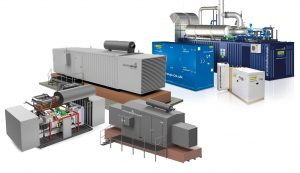
In many cases, critical sites rely on both UPS and generator systems working together.
While the generator provides a long-term backup power solution for outages, it typically takes several seconds to start and stabilise. Without a UPS in place, organisations may still experience disruption before generator power becomes available. A UPS bridges this gap by providing immediate power to critical equipment, preventing interruptions to operations.
Maintaining both systems as part of a wider resilience strategy means businesses remain protected from both short-term and extended power failures.
The Benefits of a UPS Maintenance Contract
A proactive UPS maintenance contract offers far greater peace of mind than a reactive approach.
Benefits include:
Scheduled preventative maintenance visits
Priority support from experienced engineers
Fast response to faults and emergencies
Reduced risk of unplanned downtime
Improved system reliability and lifespan
Ongoing compliance with manufacturer recommendations
But peace of mind isn’t the only benefit of a proactive approach. By identifying and resolving potential issues before they escalate into costly repairs, businesses can reduce maintenance costs and the risk of operational disruption.
At Shenton Group, our UPS maintenance contracts are designed to provide a range of solutions, from annual servicing through to comprehensive 24/7 support. This means organisations can choose the level of protection that best suits their business and operational requirements.
Protecting Your Critical Power Infrastructure
Your UPS system is an investment in business continuity. Regular maintenance ensures that investment continues to deliver the protection your organisation relies on.
Whether you’re operating a standalone UPS or a fully integrated critical power solution with a generator and an ATS (Automatic Transfer Switch), proactive servicing can help reduce risk, improve reliability, and maintain power continuity when it matters most.
To discuss UPS maintenance contracts, battery health checks, or improving the resilience of your critical power infrastructure, get in touch with our team of experts at Shenton Group.
Reliable power is built on more than equipment alone. Discover how governance, certification, and responsible business practices help Shenton Group deliver dependable outcomes for clients operating critical sites across the UK.
Discover how Shenton Group is investing in the next generation of engineers through its new apprenticeship programme, creating opportunities for aspiring engineers to learn, earn, and grow within the industry.
Discover how a week of work experience at Shenton Group helped Zenia develop her marketing knowledge, build confidence, and explore a potential future career path.
Shenton Group has expanded its Andover headquarters, investing in facilities, leadership, technical excellence, and future talent to support ambitious growth plans and enhance services for customers across the UK.
After nearly a decade with Shenton Group, QSHE Manager Dickie Staff reflects on the people, the culture, and the achievements that defined his career, and what he’s looking forward to in retirement.
Shenton Group teams from across the UK came together at St Mary’s Stadium to reflect on a successful year, recognise long‑service milestones, and share plans for 2026.
Don’t risk a no‑start in freezing conditions. Follow our winter maintenance checklist to safeguard backup power, minimise downtime, and keep your generator primed for rapid response.
Discover why generator hire for hospitals and care homes is essential for patient safety. Learn how Shenton Group protects healthcare with emergency power solutions.
Why is Power Resilience more important than ever? A recent power outage near Heathrow Airport has sparked conversations about critical infrastructure. Read more…
ATS panels or automatic transfer switch panels are used in combination with standby generators to automate the switch between the mains power sources and a generator in an outage or blackout.
Automatic mains failure (AMF) panels, often referred to as automatic transfer switch (ATS) panels play an important part in switching the mains power over to generators, but what exactly are they?
To provide the best experiences, we use technologies like cookies to store and/or access device information. Consenting to these technologies will allow us to process data such as browsing behavior or unique IDs on this site. Not consenting or withdrawing consent, may adversely affect certain features and functions.
Functional
Always active
The technical storage or access is strictly necessary for the legitimate purpose of enabling the use of a specific service explicitly requested by the subscriber or user, or for the sole purpose of carrying out the transmission of a communication over an electronic communications network.
Preferences
The technical storage or access is necessary for the legitimate purpose of storing preferences that are not requested by the subscriber or user.
Statistics
The technical storage or access that is used exclusively for statistical purposes.The technical storage or access that is used exclusively for anonymous statistical purposes. Without a subpoena, voluntary compliance on the part of your Internet Service Provider, or additional records from a third party, information stored or retrieved for this purpose alone cannot usually be used to identify you.
Marketing
The technical storage or access is required to create user profiles to send advertising, or to track the user on a website or across several websites for similar marketing purposes.