



UK Cities Turn to CHP – Larger Quanto Units are Here!
Earlier this month it was reported that National Grid emergency blackout costs have spiralled a further £113m, from £17.5m to almost £150m, following ageing coal plants being offered deals to ‘stay warm’ in case of emergencies. And so the ongoing saga surrounding National Grid reliability issues continues. However, Bristol and London are two cities increasingly asserting their independence from uncertain National Grid electricity supplies by utilising Combined Heat and Power.

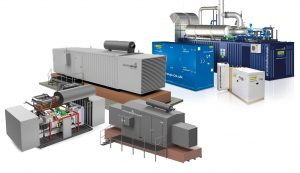
Being the sole distributor of the Tedom range of Combine Heat and Power systems, shentongroup is reacting to an increase in demand from organisations that demand reliable power supplies and that have a need for high volumes of hot water. Generating electricity from cheaper natural gas, biogas and LPG, CHP systems harness the heat generated from this process to produce hot water. Therefore, CHP is ideal for housing developments, hotels, universities, leisure centres and large employers.

To find out more about Combined Heat and Power, take a look at shentongroup’s selection of White Papers here. To discuss your CHP project and to find answers to any queries you might have, speak to a member of the shentongroup team now (click here).